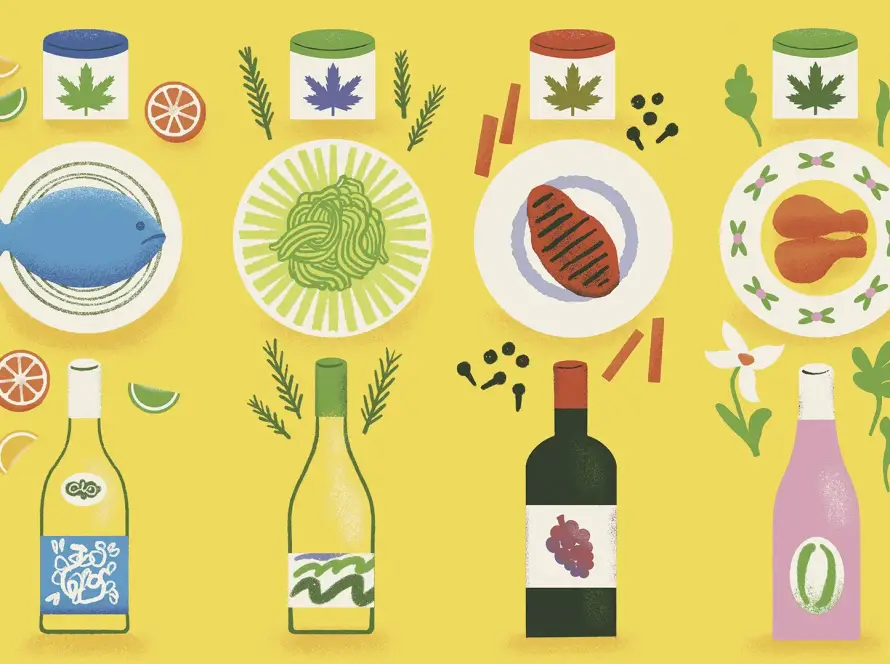
The Western Cape has long been celebrated as one of the world’s premier wine regions—but a quieter, equally fascinating conversation is beginning to take shape alongside it. As the cannabis industry matures, a shared language is emerging between these two worlds: terpenes and terroir.
Understanding how these elements influence flavour, aroma, and overall experience is key to appreciating both industries—and it’s exactly why they’re becoming the focus of a new wave of educational events in the region.
What Are Terpenes—and Why Do They Matter?
Terpenes are naturally occurring aromatic compounds found in many plants, including grapes and cannabis. They’re responsible for the distinctive scents and flavours you associate with a crisp Sauvignon Blanc or a citrus-forward cannabis cultivar.
In wine, terpenes contribute floral and fruity notes—think lychee, rose, or citrus. In cannabis, they do much more than influence smell; they also interact with cannabinoids to shape the overall effect, often referred to as the “entourage effect.”
Common terpenes found in both industries include:
- Myrcene – earthy, musky, sometimes fruity
- Limonene – bright citrus aromas
- Pinene – fresh pine and herbal notes
- Linalool – floral, lavender-like fragrance
For consumers and connoisseurs alike, terpene profiles are becoming just as important as alcohol percentage in wine or THC/CBD levels in cannabis.
Terroir: The Soul of the Western Cape
Terroir is a French term that refers to how a region’s climate, soil, altitude, and geography influence the characteristics of a plant. In the Western Cape, terroir is everything.
From the cool coastal breezes of Stellenbosch to the rugged mountain terrain of the Swartland, each microclimate produces grapes with distinct personalities. The same principle applies to cannabis cultivation: environmental conditions shape terpene expression, cannabinoid development, and ultimately, the consumer experience.
Key terroir factors include:
- Soil composition – affects nutrient uptake and flavour complexity
- Climate – temperature and sunlight influence terpene development
- Altitude – impacts growth cycles and plant stress responses
- Proximity to the ocean – moderates temperature and humidity
As cannabis cultivation expands in South Africa, growers are beginning to recognize that the Western Cape’s diverse terroir offers a unique opportunity to produce premium, region-specific products—much like fine wine.
Where Wine and Cannabis Intersect
The parallels between wine and cannabis are no longer theoretical—they’re practical, sensory, and increasingly commercial.
Both industries are moving toward:
- Craft production over mass output
- Appellation-style regional identity
- Consumer education and tasting experiences
- Terpene-driven flavour profiling
Just as wine enthusiasts attend tastings to explore vintages and varietals, cannabis consumers are beginning to seek guided experiences that highlight terpene profiles, cultivation methods, and regional differences.
Why This Matters Now
South Africa stands at a pivotal moment. With cannabis regulations evolving and global interest growing, the Western Cape is uniquely positioned to become a leader in terpene-focused cultivation and education.
For wine professionals, cannabis offers a new dimension of sensory exploration. For cannabis entrepreneurs, the wine industry provides a blueprint for premium branding, storytelling, and tourism.
Building Interest: A New Kind of Experience
Imagine an event where attendees can:
- Learn how terroir shapes both grapes and cannabis plants
- Explore terpene profiles through guided sensory sessions
- Engage with local growers, winemakers, and industry experts
- Discover how the Western Cape’s landscape influences both industries
This isn’t just about consumption—it’s about education, appreciation, and connection to place.
The Future of Terpenes & Terroir in the Western Cape
As these two industries continue to evolve, their overlap will only become more significant. The Western Cape, with its rich agricultural heritage and world-class terroir, is the ideal setting for this convergence.
Whether you’re a wine lover, a cannabis enthusiast, or simply curious about the science of flavour, understanding terpenes and terroir opens up a deeper, more meaningful way to experience both.
Stay tuned for an upcoming event that brings these ideas to life—where science meets sensory, and where the Western Cape’s natural beauty becomes the ultimate classroom.